
AISI 8620 Alloy Steel Bar
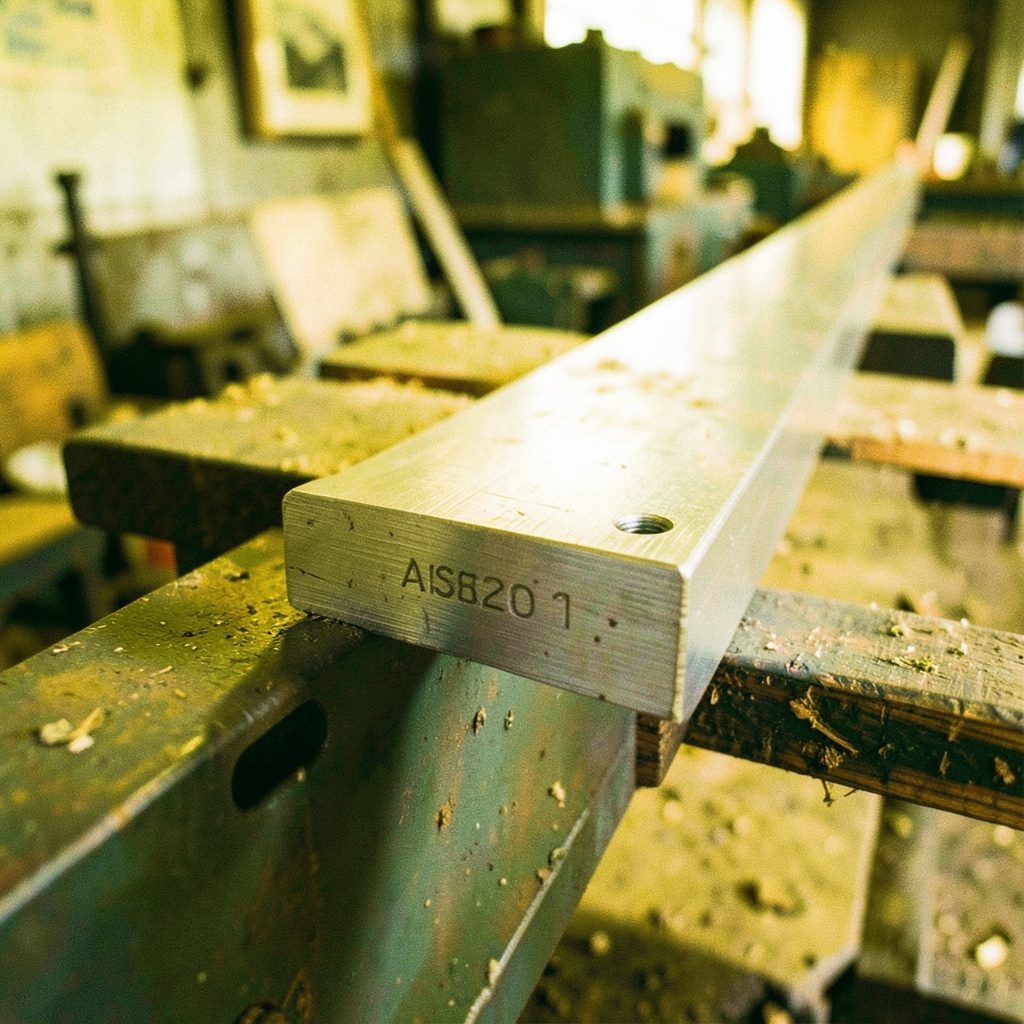
Product Overview
AISI 8620 is a low-carbon nickel-chromium-molybdenum alloy steel widely used for carburized parts requiring a tough core and a hard wear-resistant surface. Jianhui Metals Group supplies this grade as part of its alloy steel bar catalog.
- Grade: AISI 8620
- Category: Alloy Steel Bar
- Available shapes: round, flat, square
- Techniques: hot rolled, cold drawn, forged
- Standard length: approx. 6m or customized
Typical Specifications
| Grade | AISI 8620 |
|---|---|
| Category | Alloy Steel Bar |
| Shapes | Round, Flat, Square |
| Production Techniques | Hot Rolled, Cold Drawn, Forged |
| Standard Length | Approximately 6m; custom lengths available on request |
| Surface Finish | Black, Turned, or as specified |
AISI 8620 is a low-carbon alloy steel that incorporates nickel, chromium, and molybdenum to achieve a balanced combination of toughness and wear resistance. This grade is particularly valued in applications where components must withstand heavy loads while maintaining surface durability. The material responds well to carburizing treatments, which create a hard outer case while preserving a ductile interior core. Manufacturers and engineers often select AISI 8620 for gears, shafts, and pinions that operate under moderate to high stress conditions. The alloy's composition allows for consistent heat treatment results, making it a reliable choice for production environments that demand repeatable mechanical properties across multiple batches.
As an alloy steel bar product, AISI 8620 is available in several convenient forms to accommodate different machining and fabrication requirements. Round bars are the most common shape, suitable for turning operations and general shaft work. Flat bars provide a useful option for components requiring rectangular cross-sections, while square bars offer advantages for key stock and similar applications. These shapes can be supplied in hot rolled, cold drawn, or forged conditions depending on the mechanical properties and surface finish needed. Cold drawn bars typically offer tighter dimensional tolerances and improved surface quality, while hot rolled bars are often selected for applications where subsequent machining will remove surface material.
The heat treatment response of AISI 8620 makes it a versatile choice for carburized parts that require a hard, wear-resistant surface combined with a tough, shock-resistant core. During carburizing, carbon is introduced into the surface layer at elevated temperatures, followed by appropriate quenching and tempering operations. The resulting case hardness can reach levels suitable for demanding wear applications, while the core retains sufficient toughness to absorb impact loads without fracture. This combination of properties explains why AISI 8620 is frequently specified for automotive transmission components, heavy equipment gears, and industrial machinery parts that experience both sliding contact and cyclic loading during service.
Quality control is a critical aspect of AISI 8620 alloy steel bar production, as the material must meet strict chemical composition and mechanical property requirements. Modern steelmaking practices include careful selection of raw materials, precise alloying element additions, and controlled processing parameters throughout the manufacturing sequence. Testing procedures typically verify chemical analysis, hardenability characteristics, and mechanical properties to ensure conformity with applicable standards. Surface inspection and dimensional verification are also performed to confirm that the finished bars meet customer specifications. These quality measures help ensure that each shipment of AISI 8620 bars will perform consistently in downstream manufacturing operations.
The selection of AISI 8620 alloy steel bars for a given application depends on several factors including the required case depth, core hardness, and the specific loading conditions the finished part will encounter. Engineers consider the trade-offs between surface hardness and core toughness when specifying this grade, as different carburizing cycles can shift the balance between these properties. The material's machinability in the annealed condition is generally good, allowing for efficient production of complex part geometries before heat treatment. Post-treatment grinding or finishing operations can then achieve the final dimensions and surface quality required for precision components. This combination of manufacturing flexibility and service performance has made AISI 8620 a staple grade in the alloy steel bar market.
Interested in AISI 8620 Alloy Steel Bars?
Contact us at sales@salessteelbar.com for a quote or technical inquiry.