
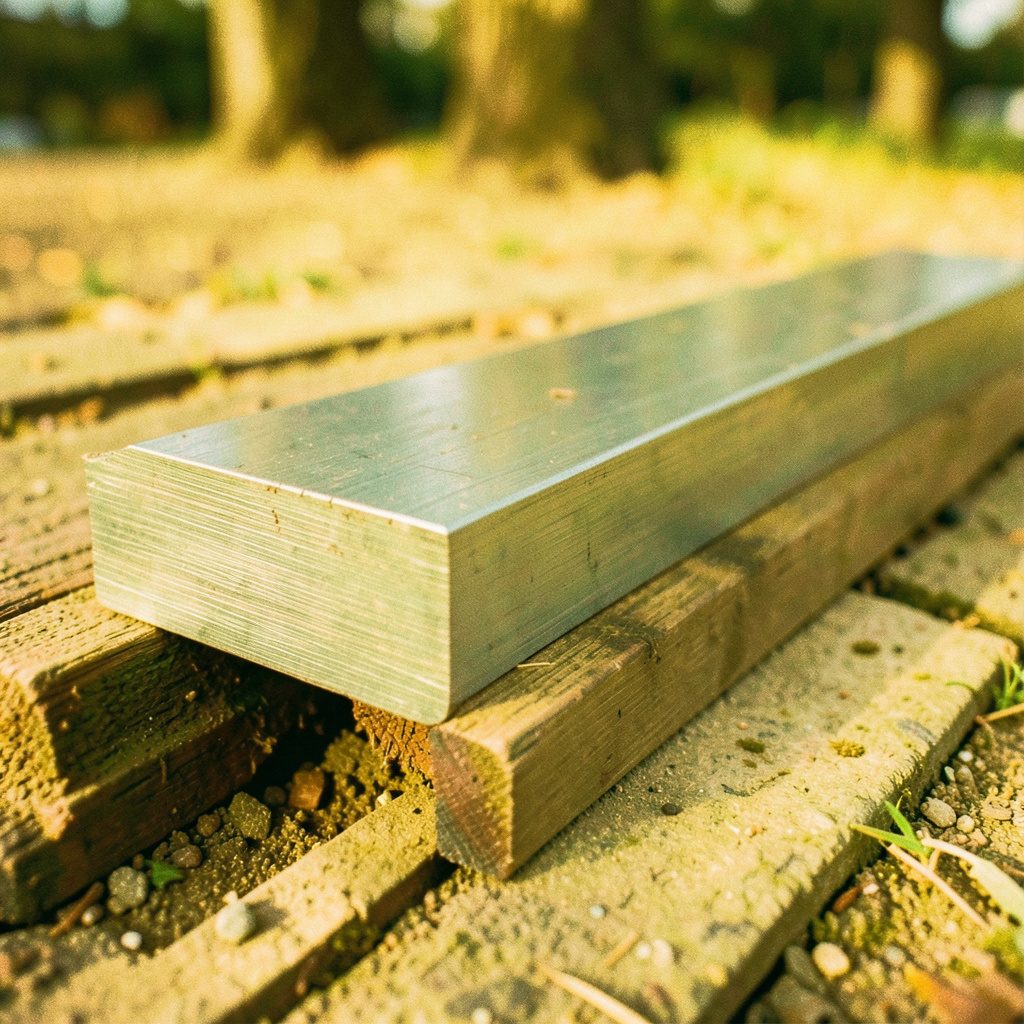
Spring Steel Flat Bars
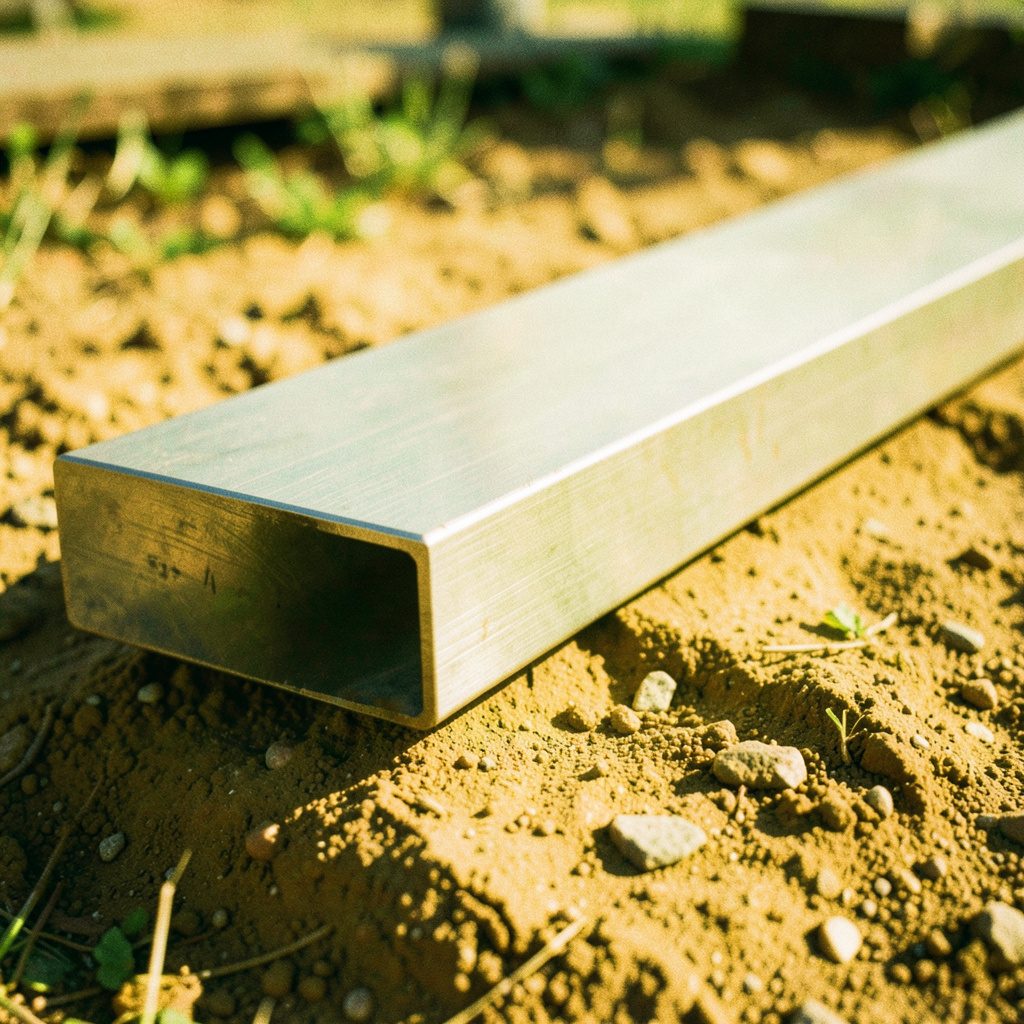
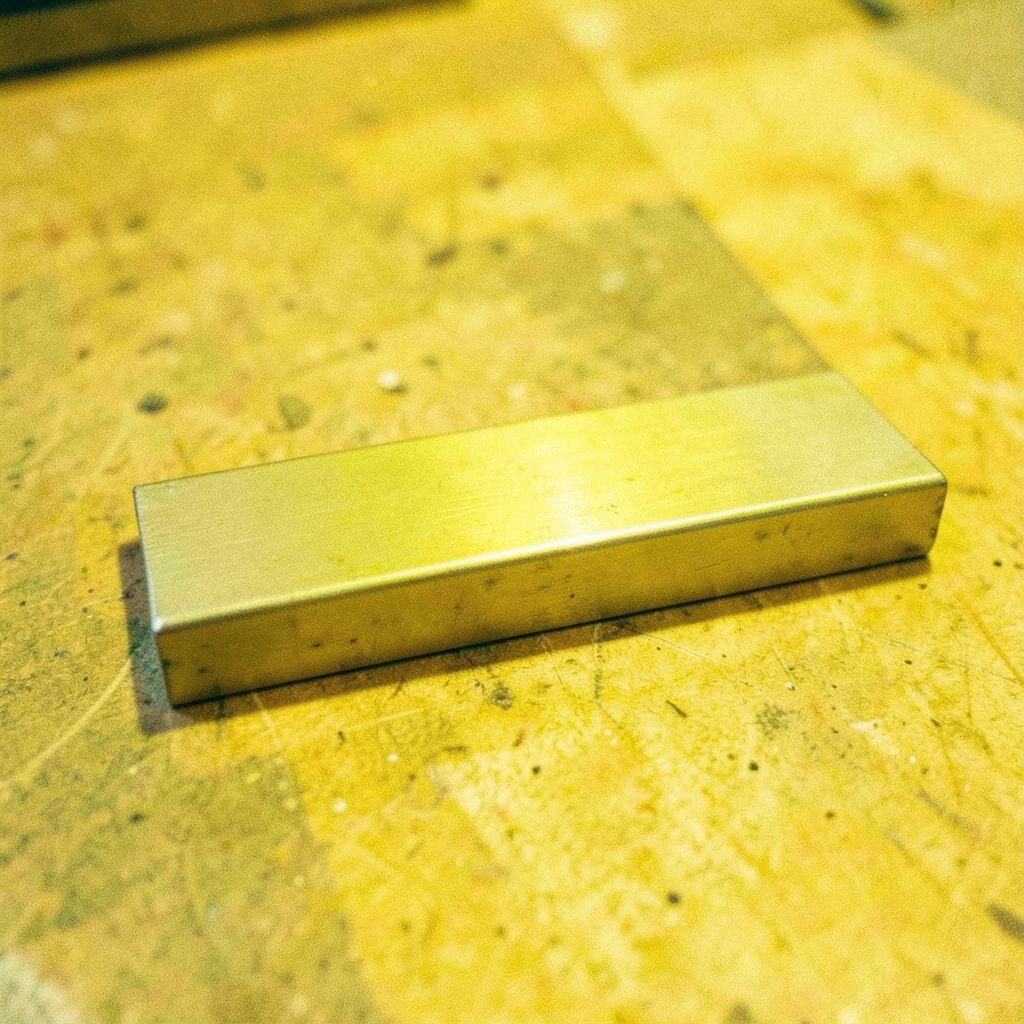

Spring Steel Flat Bar — SUP10, SUP9, SUP7
Jianhui Metals Group supplies hot-rolled spring steel flat bars in SUP10, SUP9, and SUP7 grades. These bars are manufactured to meet the demands of automotive suspension, industrial spring, and high-stress component applications.
- Grades: SUP10, SUP9, SUP7
- Technique: Hot rolled
- Surface finishes: Black and turned
- Standard length: approximately 6 m; custom lengths available
- Shapes: Flat bar
For dimensional ranges, grade comparisons, or a tailored quotation, please contact our sales team.
Available Spring Steel Flat Bar Grades
Below is a summary of the spring steel flat bar grades offered. All grades are supplied in hot-rolled condition with black or turned surface finishes.
| Grade | Category | Technique | Surface Finish | Standard Length |
|---|---|---|---|---|
| SUP10 | Spring Steel Flat Bar | Hot rolled | Black / Turned | ~6 m (custom available) |
| SUP9 | Spring Steel Flat Bar | Hot rolled | Black / Turned | ~6 m (custom available) |
| SUP7 | Spring Steel Flat Bar | Hot rolled | Black / Turned | ~6 m (custom available) |
Custom sizes and dimensional specifications can be accommodated. Contact us with your requirements for a prompt quotation.
Need a quote on spring steel flat bars?
Email: sales@salessteelbar.com
Spring steel flat bars are a specialized category of steel products designed to withstand repeated stress and heavy loads without permanent deformation. These bars are commonly used in applications where resilience and fatigue resistance are critical, such as automotive suspension systems, industrial machinery, and heavy equipment components. The material composition of spring steel typically includes precise amounts of carbon, silicon, manganese, and other alloying elements that give the steel its unique ability to return to its original shape after being bent, twisted, or compressed. Manufacturers carefully control the chemical composition and heat treatment processes to achieve consistent mechanical properties across each production batch.
Hot-rolled spring steel flat bars are produced through a process that involves heating steel billets to high temperatures and passing them through rolling mills to achieve the desired thickness and width. This manufacturing method creates a durable surface layer and a refined internal grain structure that enhances the steel's mechanical performance. After rolling, the bars undergo controlled cooling and may receive additional heat treatment to optimize their hardness and elasticity. The hot-rolling process allows for efficient production of large quantities while maintaining dimensional consistency. These bars are available in various surface finishes, including black as-rolled surfaces and turned finishes for applications requiring closer tolerances.
Spring steel grades such as SUP10, SUP9, and SUP7 are widely recognized in the industry for their reliable performance in demanding environments. Each grade offers a specific balance of hardness, toughness, and fatigue strength to suit different operational requirements. SUP9 provides good hardenability and wear resistance, making it suitable for heavier springs and suspension components. SUP7 offers excellent elasticity and is often chosen for lighter spring applications. SUP10 incorporates additional alloying elements that enhance its durability under cyclic loading conditions. These standardized grades allow engineers and manufacturers to select the most appropriate material for their specific design parameters.
Flat bar geometry is particularly advantageous for spring applications because the rectangular cross-section provides directional strength and efficient material usage. When a flat spring bar is loaded, the stress distribution across its width and thickness can be precisely calculated, allowing designers to optimize spring performance for specific force and deflection requirements. The flat shape also facilitates stacking, bundling, and further processing such as cutting, drilling, or bending into finished components. Standard lengths around six meters are commonly produced, with custom lengths available to accommodate specialized manufacturing setups. The dimensional consistency of these bars is critical for maintaining uniformity in mass production environments.
Quality control is an essential aspect of spring steel flat bar production, with manufacturers implementing rigorous testing procedures throughout the manufacturing process. Chemical analysis verifies that each heat meets specified composition requirements, while mechanical testing confirms tensile strength, yield point, and elongation properties. Surface inspection ensures that bars are free from defects that could initiate cracking under load. Many spring steel products are exported to markets across Europe, Asia, Africa, South America, and Oceania, reflecting the global demand for reliable steel materials. Continuous investment in production technology and quality management systems enables suppliers to maintain consistent standards that meet international specifications and customer expectations.